
There are several important federal regulations and banking standards that apply to business checks in the United States. While most businesses simply need to ensure their checks are bank-compliant and secure, understanding the major regulations can help explain why professional check printing and security features matter.
Federal Regulations for Checks
Check 21 Act (Check Clearing for the 21st Century Act)
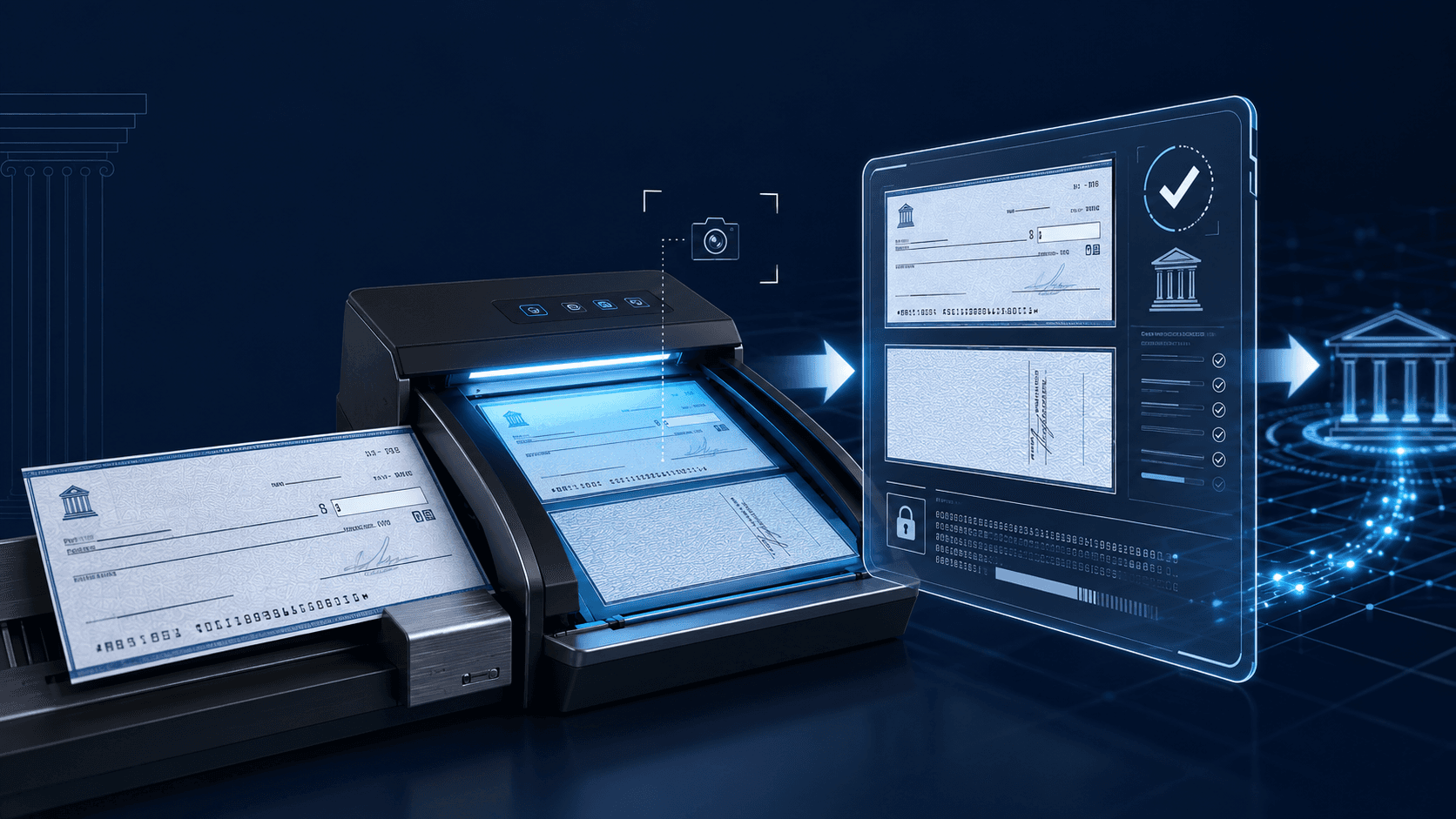
This law allows banks to process checks electronically instead of physically transporting paper checks between banks.
- Banks can create digital images of checks
- Substitute checks are legally valid copies
- Checks clear faster than in the past
- Businesses need accurate MICR printing for compatibility
Check 21 took effect in 2004 and changed how nearly all business checks are processed today.
Regulation CC (Availability of Funds and Collections of Checks)
Regulation CC governs:
- Check processing
- Funds availability
- Endorsement standards
- Substitute check handling
Reg CC works alongside Check 21 and establishes many of the operational rules that banks follow for handling checks and deposits.
MICR Requirements
Business checks must use:
- Proper MICR fonts
- Magnetic ink or toner
- Correct routing/account number placement
MICR stands for Magnetic Ink Character Recognition. Banks use MICR lines at the bottom of checks for automated processing.
If MICR lines are printed incorrectly, checks may:
- Be rejected
- Require manual processing
- Cause delays
- Increase fraud risk
Uniform Commercial Code (UCC)
Although not technically federal law, the Uniform Commercial Code heavily influences check regulations nationwide.
The UCC defines:
- Negotiable instruments
- Liability rules
- Endorsements
- Fraud responsibilities
- Payment obligations
Most states adopt versions of the UCC, making it a major legal framework for checks and banking transactions.
Security Recommendations Banks Expect
While not always federally mandated, banks strongly encourage or require security features such as:
- Watermarks
- Microprinting
- Security screens
- Chemical protection
- Toner adhesion
- Padlock icons/security warnings
These features help businesses reduce fraud exposure and banking issues.
Why does this matter for Businesses?
Using professionally printed, bank-compliant checks helps businesses:
- Meet banking standards
- Avoid processing delays
- Reduce fraud risk
- Improve compatibility with accounting software
- Prevent alignment and printing issues
Low-quality or non-compliant checks can create expensive problems, especially when processing payroll, vendor payments, or large transaction volumes.
For businesses using QuickBooks or other accounting software, professionally printed laser checks with proper MICR formatting are especially important.
Secure Check Printing from Summit Printing
Summit Printing provides secure laser checks, MICR printing, deposit slips, and financial printing solutions for businesses throughout Salt Lake City and the Wasatch Front. With fast turnaround times, professional-quality printing, and free local delivery, Summit Printing helps businesses stay compliant, organized, and protected from fraud.